
About The FBP Team
A Specialist Practice in Finance Business Partnering
The FBP Team focuses on one area of professional development: improving how finance professionals operate within organisations.
We work with finance leaders and finance teams to strengthen communication, commercial understanding and the practical application of financial insight in business decisions.
The business is led by Andrew Jepson, who designs and delivers the core programs and works directly with clients.

Andrew Jepson
Andrew is a Chartered Accountant with more than 25 years of commercial experience across senior finance and operational leadership roles.
During his corporate career he held finance executive positions and also worked outside the finance function in general management roles. This exposed him to both perspectives inside an organisation: how finance views the business, and how the business views finance.
Through these roles he observed a consistent issue. Finance teams were technically capable and produced high quality reporting, yet their input was not always used when decisions were made.
The gap was not technical knowledge. It was communication, working relationships and understanding operational priorities.
In 2016 Andrew established The FBP Team to focus specifically on this area. He now works exclusively in Finance Business Partnering development and has delivered training and modules to finance professionals across a range of industries and organisations.
Andrew is also the author of Compliance to Commercial: The QUIET Approach to Finance Business Partnering, one of the only published books on the topic of finance business partnering. This book outlines a practical framework for how finance professionals can engage with the business more productively.
What We Mean by Finance Business Partnering
Finance Business Partnering does not replace accounting or reporting. Those remain essential.
It addresses a different question: How does financial expertise actually contribute to decisions within the organisation?
The work focuses on helping finance professionals:
Explain financial information clearly to non finance stakeholders
Understand operational drivers of performance
Participate in planning discussions earlier
present recommendations with confidence
Build effective working relationships across departments
The objective is not more reporting.
It is more useful involvement.

How We Work
The FBP Team is intentionally structured as a small specialist practice.
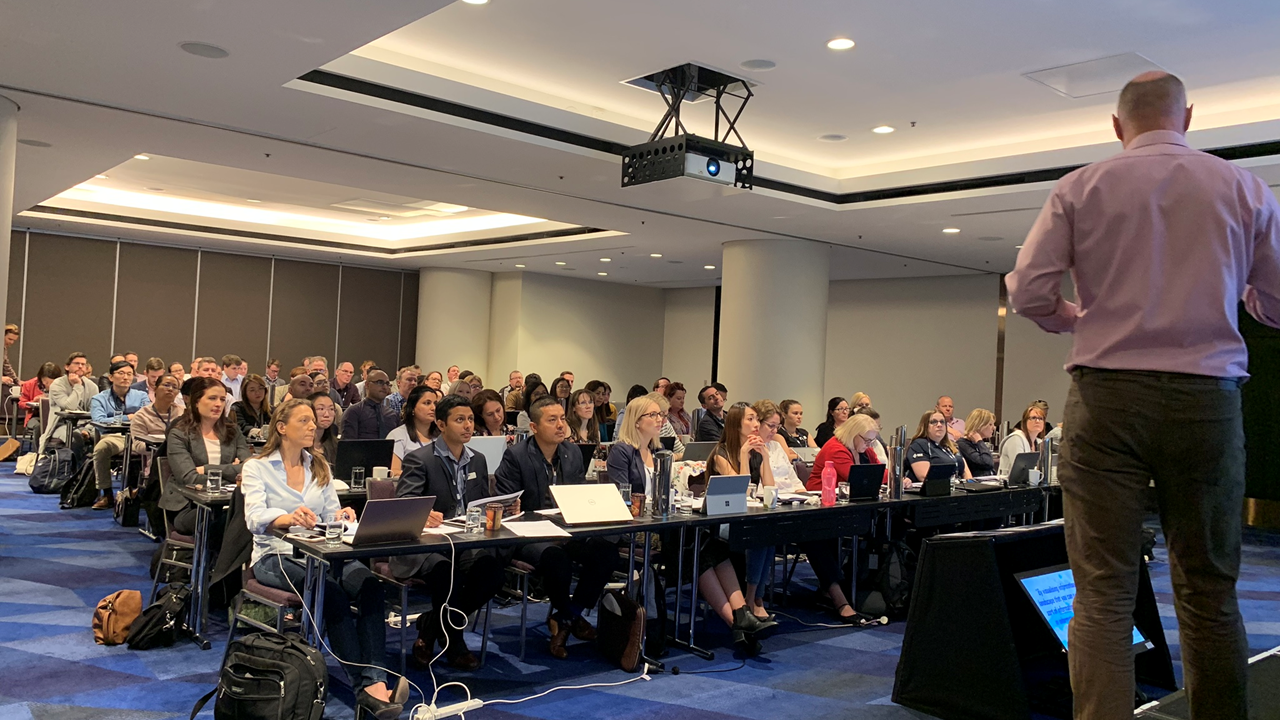
Clients work directly with an experienced practitioner rather than a large consulting team. Programs are practical and centred on real workplace situations rather than theory based leadership models.
Most engagements begin with a short introductory conversation to understand the organisation, the finance team structure and the challenges being experienced. From there we determine whether the approach is appropriate and what level of program would be suitable.
“We do not teach theory, and our programs are not death by powerpoint you can not use. We teach techniques that work in real meetings, with real stakeholders, in real organisations.”
Arrange an introductory conversation
The Broader Team

Robbie Jordan
Principal, APAC
Former Finance Director who later moved into strategic and corporate development roles. Supports delivery across Australia and the Asia Pacific region.

Chris Ortega
Principal, North America
Senior finance executive with experience in the technology sector and fractional CFO work. Supports North American clients.

Antje Langsch
Associate, Europe and Middle East
Former Finance Director who now specialises in executive coaching for senior finance professionals.

Eric Llorey
Associate, North America
Senior finance executive with operational leadership experience and program facilitation responsibilities.

Kylie Kapeleris
Associate, APAC
Former finance executive and qualified psychologist who contributes to leadership and behavioural development components of programs.
Why Organisations Engage Us
Organisations typically approach The FBP Team when finance is producing good analysis but is not consistently influencing outcomes.
Examples include:
- finance is involved late in projects or planning
- operational teams do not seek finance input early
- financial information is presented but not acted upon
- finance professionals lack confidence in stakeholder discussions and are seen as passive or reactionary contributors
The work therefore concentrates on interaction and behaviour rather than systems or software.
Finance Has Moved Beyond the Numbers
Reporting and analysis tools continue to improve. As routine reporting becomes easier to produce, the value of finance increasingly lies in interpretation, communication and judgement.
The programs are designed around this shift in expectations for modern finance professionals.
“Once the robots arrive, the only thing left will be business partnering.”